Conference Tracks
During the last 40 years forensic genetics has revolutionized the practice of forensic sciences. With the advent of highly sensitive methods traces of samples found on evidence collected at the crime scenes solves sexual offences, murder, and other serious and volume crimes. DNA databases have been developed in numerous countries which help to link the suspect to the crime or the crime scenes with each other allowing rapid and effective crime control. DNA databases are helping solve cold cases and trans-country crimes as they grow. Newer methods like massive parallel sequencing (MPS) allow the determination of phenotypic traits like eye, skin and hair color and ancestry. The sheer amount of genetics data that can be generated has increased with need of bioinformatics tools that could be used in the operational forensic laboratories. Presenters will share innovative research, advanced methodologies, and compelling case studies that illustrate the crucial role of forensic biology and genetics in solving crimes and exonerating the innocent. This track aims to enhance understanding of current challenges and advancements in the field, fostering collaboration and knowledge sharing among professionals. This track is designed to promote interdisciplinary dialogue among professionals in forensic biology and genetics, encourage the exchange of ideas, and explore innovative methods that enhance the effectiveness of forensic investigations. Participants will gain valuable knowledge that can be applied to their work, ultimately contributing to the pursuit of justice.
Submissions may take the form of oral presentations, posters, or workshops.
Submissions for the Forensic Sciences Track may include, but are not limited to:
🔬 Advances in DNA Analysis Techniques
- Discussion of emerging technologies such as massive parallel sequencing (MPS), Epigenetics, forensic DNA phenotyping, forensic genetics genealogy and their applications.
- Case studies showcasing the impact of new methodologies on cold cases.
🧬 Biological Evidence Collection and Preservation
- Best practices for collecting and preserving various biological samples at crime scenes.
- Addressing common challenges in handling sensitive biological evidence.
🧬 Mitochondrial DNA and its Forensic Applications
- The use of mitochondrial DNA analysis in cases involving degraded samples or maternal lineage analysis.
- Examples of successful cases solved through mitochondrial DNA testing.
🌍 Forensic Genetics and Population Genetics
- Exploring the implications of population genetics for interpreting DNA evidence.
- The role of genetic databases in identifying suspects and missing persons.
🔍 Non-DNA Biological Markers in Forensics
- Investigating alternative biological markers, such as proteins and other biomolecules, for forensic applications.
- Case studies illustrating the usefulness of non-DNA markers in forensic analyses.
⚖️ Ethical Considerations in Forensic DNA Testing
- Discussing consent, privacy issues, and potential biases in genetic testing and data interpretation.
- The importance of ethical guidelines in forensic genetics practice.
🚨 The Role of Forensic Biology in Sexual Assault Cases
- Analyzing biological evidence in sexual assault investigations and the significance of victim and suspect profiling.
- Innovative approaches to improve the success of DNA recovery in these sensitive cases.
🌿 Environmental DNA (eDNA) in Forensics
- The potential of using eDNA for ecological monitoring and its applications in forensic investigations.
- Case studies where eDNA has contributed to solving environmental crimes or wildlife trafficking.
🦠 Exploring Advances in Forensic Microbiology
- The role of microbial communities in establishing timelines and contexts in death investigations.
- Examples of how microbiome analysis can provide insights into post-mortem intervals.



The Forensic Toxicology track delves into the intersection of toxicology, chemistry, and forensic science, focusing on the identification, analysis, and interpretation of substances in biological samples and their role in legal investigations. This track provides a platform for forensic toxicologists to share their expertise, innovative techniques, and case studies that highlight the critical role of toxicology in the criminal justice system. Attendees will gain insights into the latest advancements in methodologies, the interpretation of toxicological findings, and the implications of these findings in court. The Forensic Toxicology track will delve into the intersection of toxicology & Chemistry and forensic science, focusing on the identification, analysis, and interpretation of substances in biological samples and their role in legal investigations. This track will provide a platform for forensic toxicologists to share their expertise, innovative techniques, and case studies that highlight the critical role of toxicology in the criminal justice system. Attendees will gain insights into the latest advancements in methodologies, the interpretation of toxicological findings, and the implications of these findings in court. This track aims to foster collaboration among professionals in forensic toxicology & Chemistry, enhance knowledge sharing, and encourage discussions that will lead to improvements in forensic science methodologies and practices. This track encourages submission of abstracts/posters.This track aims to foster collaboration among professionals in forensic toxicology and chemistry, enhance knowledge sharing, and encourage discussions that will lead to improvements in forensic science methodologies and practices. This track encourages the submission of abstracts and posters.
The topics of interest might include:
🧪 Emerging Trends in Toxicology & Chemistry
- Discussion on novel psychoactive substances (NPS) and their impact on forensic investigations.
- The role of technology in detecting trace amounts of drugs and poisons.
- Identifying illicit and controlled substances or their precursors.
🔬 Biomarkers of Drug Use
- The significance of biomarkers in understanding drug metabolism.
- Case studies highlight the use of biomarkers in toxicological investigations.
⚰️ Toxicology in Post-Mortem Analysis
- Methods for detecting and quantifying substances in post-mortem specimens.
- The challenges and considerations in interpreting post-mortem toxicology results.
🚗 Forensic Toxicology and DUI Cases
- The role of toxicology in driving under the influence (DUI) cases.
- Analysis of blood alcohol content (BAC) and its implications in legal cases.
💊 Drug Interactions and Toxicity
- Exploring the effects of poly-drug use and their forensic implications.
- Case presentations detailing complex drug interactions and their consequences.
⚖️ Legal and Ethical Considerations in Forensic Toxicology
- Understanding the admissibility of toxicological evidence in court.
- Ethical dilemmas faced by forensic toxicologists in legal scenarios.
📊 Advancements in Toxicological Testing Methodologies
- Innovations in analytical techniques such as mass spectrometry and liquid chromatography.
- Discussion on the integration of toxicology databases for better case resolution.
🌍 Toxicology and Public Health
- The role of forensic toxicology in addressing public health crises, such as opioid overdoses.
- Collaboration between forensic experts and public health agencies.

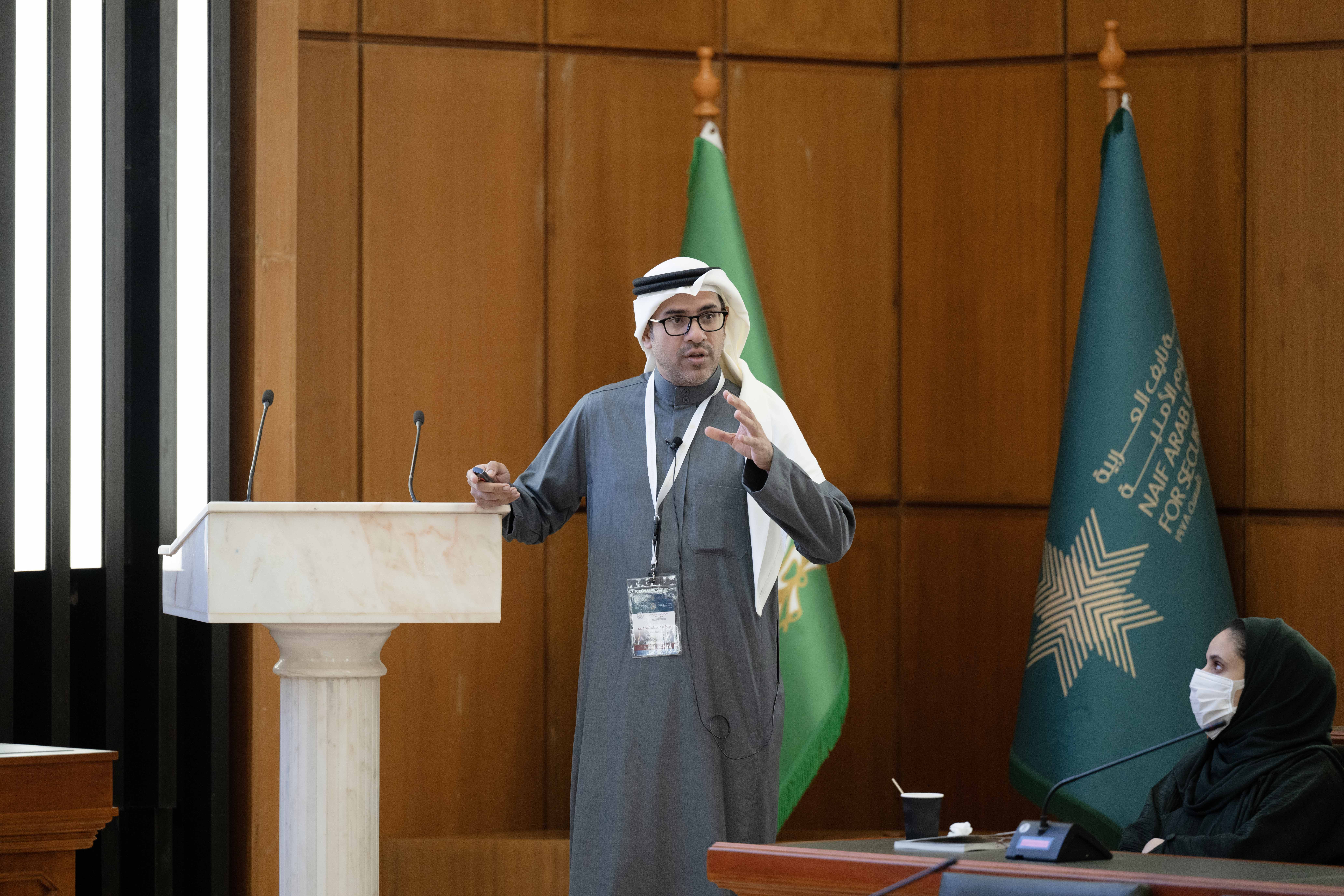

The Forensic Medicine & Pathology track will explore the critical role of medicine and pathology in the investigation of deaths, injuries, and other medical aspects of forensic cases. This track will focus on methodologies for conducting autopsies, analyzing injuries, and providing expert medical testimony in legal settings. Presenters will share insights into the latest research, techniques, and case studies that demonstrate the importance of forensic medicine and pathology in the justice system. Participants will benefit from a multidisciplinary approach examining how forensic pathology can inform and enhance the understanding of legal cases. This track aims to serve as a forum for forensic medicine and pathology professionals to share their expertise, discuss cutting-edge research, and contribute to the ongoing development of best practices in forensic investigations. Participants will leave with enhanced knowledge and practical insights to apply in their fields. This track encourages submission of abstracts /posters.
The topics of interest might include:
🔍 Advanced Autopsy Techniques
- Exploration of modern autopsy procedures, including minimally invasive methods.
- Comparative analysis of traditional vs. digital autopsy practices.
⚖️ Determining Cause and Manner of Death
- Case studies highlighting complex determinations in homicide, suicide, and accidental deaths.
- The significance of time of death estimations in forensic investigations.
🩸 Trauma Analysis in Forensic Cases
- A detailed examination of blunt vs. sharp force trauma and their implications in murder investigations.
- Updates on the documentation and interpretation of trauma patterns.
🧪 Forensic Toxicology in Pathology
- Integrating toxicology findings into autopsy reports and legal outcomes.
- Examining the role of drugs and substances in the cause of death.
👶 Pediatric Forensic Pathology
- Addressing the challenges associated with investigating child deaths.
- Understanding common causes and the importance of meticulous examination in suspected child abuse cases.
🌍 Forensic Pathology in Mass Disaster Situations
- The methodologies and protocols in identifying victims in mass fatalities.
- Case examples of disaster response and the role of forensic pathologists.
⚖️ Legal and Ethical Considerations in Forensic Medicine
- The responsibilities of forensic professionals in court settings.
- Discussing confidentiality, consent, and ethical dilemmas in forensic medical practice.
📷 Utilizing Imaging in Forensic Pathology
- Advances in imaging technologies, such as X-rays and CT scans, for post-mortem examinations.
- Case studies illustrating the effectiveness of imaging in forensic investigations.
🤝 Collaboration Between Specialties in Forensic Investigations
- How forensic pathologists work alongside law enforcement, forensic anthropologists, and toxicologists.
- Successful case presentations highlighting interdisciplinary collaboration.



Over the past few decades, cybersecurity and digital forensics have transformed the landscape of digital investigations and crime prevention. With the advanced attack methods and ever-evolving technologies, the need for cybersecurity measures and efficient forensic tools has become critical.
This track will explore the integration of cybersecurity strategies with forensic techniques to combat cybercrime effectively. From detecting and preventing sophisticated network intrusions to uncovering digital evidence in complex cybercrime investigations, this track highlights the intersection of these domains to advance justice and security.
Presenters will showcase cutting-edge research, innovative methodologies, and compelling case studies that illustrate how cybersecurity and digital forensics address modern threats. This track fosters interdisciplinary collaboration and knowledge sharing among professionals, encouraging the development of holistic approaches to securing systems and investigating cybercrimes.
Participants will gain insights into state-of-the-art tools and practices that enhance forensic investigations and cybersecurity measures, ultimately contributing to safer digital environments. Submissions may take the form of oral presentations, posters, or workshops.
Submissions for the Cybersecurity and Digital Forensics Track may include, but are not limited to:
🛡️ Cybersecurity and Threat Intelligence
- AI-driven threat detection and response.
- Advanced intrusion detection and prevention systems.
- Case studies of effective threat intelligence in real-world applications.
💻 Cybersecurity and Advanced Attacks
- Investigations into ransomware, phishing, and other cyberattacks.
- Analysis of Advanced Persistent Threats (APTs) and their methodologies.
- Case studies showcasing the forensic reconstruction of complex attacks.
🔗 Blockchain and Cryptocurrency Investigations
- Forensic approaches to tracing cryptocurrency transactions.
- Uncovering fraudulent activities on decentralized platforms.
- Blockchain-based evidence handling and preservation.
📂 Digital Evidence Collection and Preservation
- Best practices for handling volatile and non-volatile digital evidence.
- Addressing challenges in forensic acquisition from cloud and IoT environments.
🛠️ Innovative Tools and Techniques
- Emerging technologies for automated forensic analysis.
- Visualization tools for digital evidence.
- The application of machine learning in forensic investigations.
🚀 Future Trends in Cybersecurity and Forensics
- Quantum computing and its implications for security and forensics.
- The role of digital forensics in combating AI-driven cybercrimes.
- Interdisciplinary approaches to addressing future challenges.
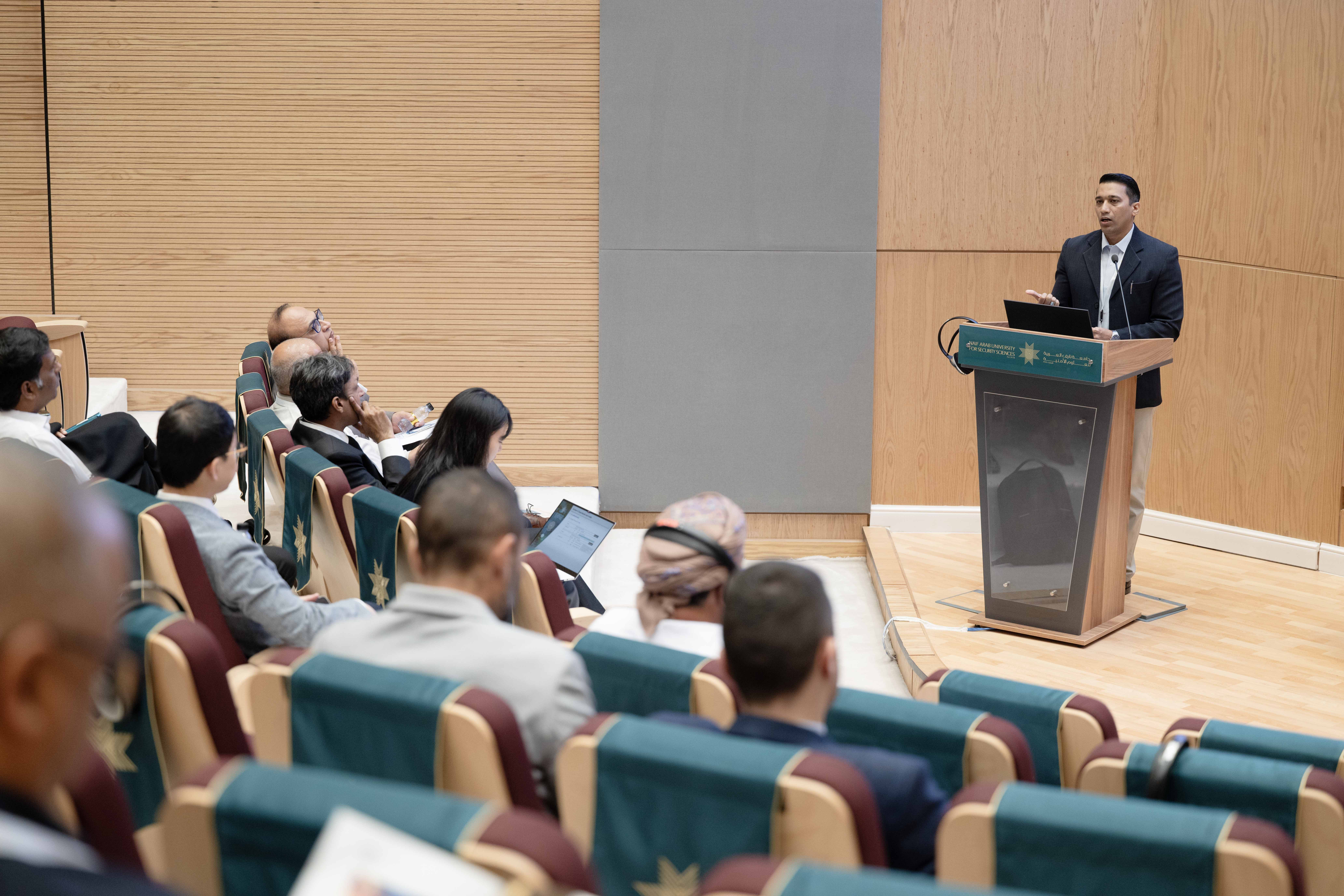


The Criminalistics Track offers a dedicated platform for professionals, researchers, and practitioners to present their cutting-edge work in core areas of forensic science. This track welcomes submissions that focus on applied methodologies, innovative techniques, case studies, and advancements in technologies that are shaping the field. This track is open to forensic scientists, law enforcement professionals, academic researchers, crime scene investigators, and practitioners with expertise in any of the listed areas. Submissions may take the form of oral presentations, posters, or workshops.
Submissions for The Criminalistics may include, but are not limited to:
🔬 Trace Evidence Examination
- Trace Evidence Importance: Critical role in linking suspects, victims, and crime scenes.
- Analytical Techniques: Microscopy, spectroscopy, chromatography, mass spectrometry, and electron microscopy.
- Case Studies: Real-life examples demonstrating trace evidence's impact in solving crimes.
- Research Advances: Recent innovations improving forensic science practices.
🖐️ Latent Fingerprinting Examination
- Advancements in Automated Fingerprint Identification Systems (AFIS): Highlight the latest developments in AFIS technology, such as AI-driven algorithms and machine learning integration, which are enhancing the speed and accuracy of latent fingerprint matching.
- Latent Print Enhancement Techniques Using Advanced Materials and Chemicals: Provide information on the latest chemical and physical techniques for developing latent prints, such as novel reagents, laser scanning, or nanotechnology and adobe photoshop to enhance print clarity and quality for better identification.
- Quality Assurance in Latent Fingerprint Analysis: Discuss the latest practices and standards in quality assurance (QA) for latent fingerprint examination, focusing on methods for ensuring accuracy, consistency, and reliability in fingerprint identification.
- Case Studies: Interesting case studies where latent fingerprint analysis was pivotal in solving a case. Share your valuable experiences to contribute to the evolving discussion on best practices and breakthroughs in the field.
📜 Questioned Document Analysis
- Advanced techniques for handwriting, signature, and typewriting authentication.
- Detection of counterfeit documents (e.g., passports, currency).
- Digital document examination methods.
- Case studies on document forgery investigations.
🔫 Firearm & Tool Mark Examination
- Innovations in ballistic analysis and firearm identification.
- Tool mark analysis techniques and challenges in court admissibility.
- Case studies showcasing firearm/tool mark evidence in criminal investigations.
- Advances in imaging technologies for ballistic and tool mark comparisons.
🕵️ Crime Scene Investigation (CSI)
- New technologies or protocols in crime scene documentation and reconstruction.
- Innovations in trace evidence collection and preservation.
- Interdisciplinary approaches to reconstructing events at crime scenes..
- Challenges and solutions in investigating complex or mass casualty scenes.
🔥 Fire Investigation
- Advances in determining fire origins and causes.
- Forensic analysis of accelerants and fire patterns.
- Integration of digital tools (e.g., 3D mapping) in fire scene investigations.
- Case studies addressing arson investigations and fire-related fatalities.

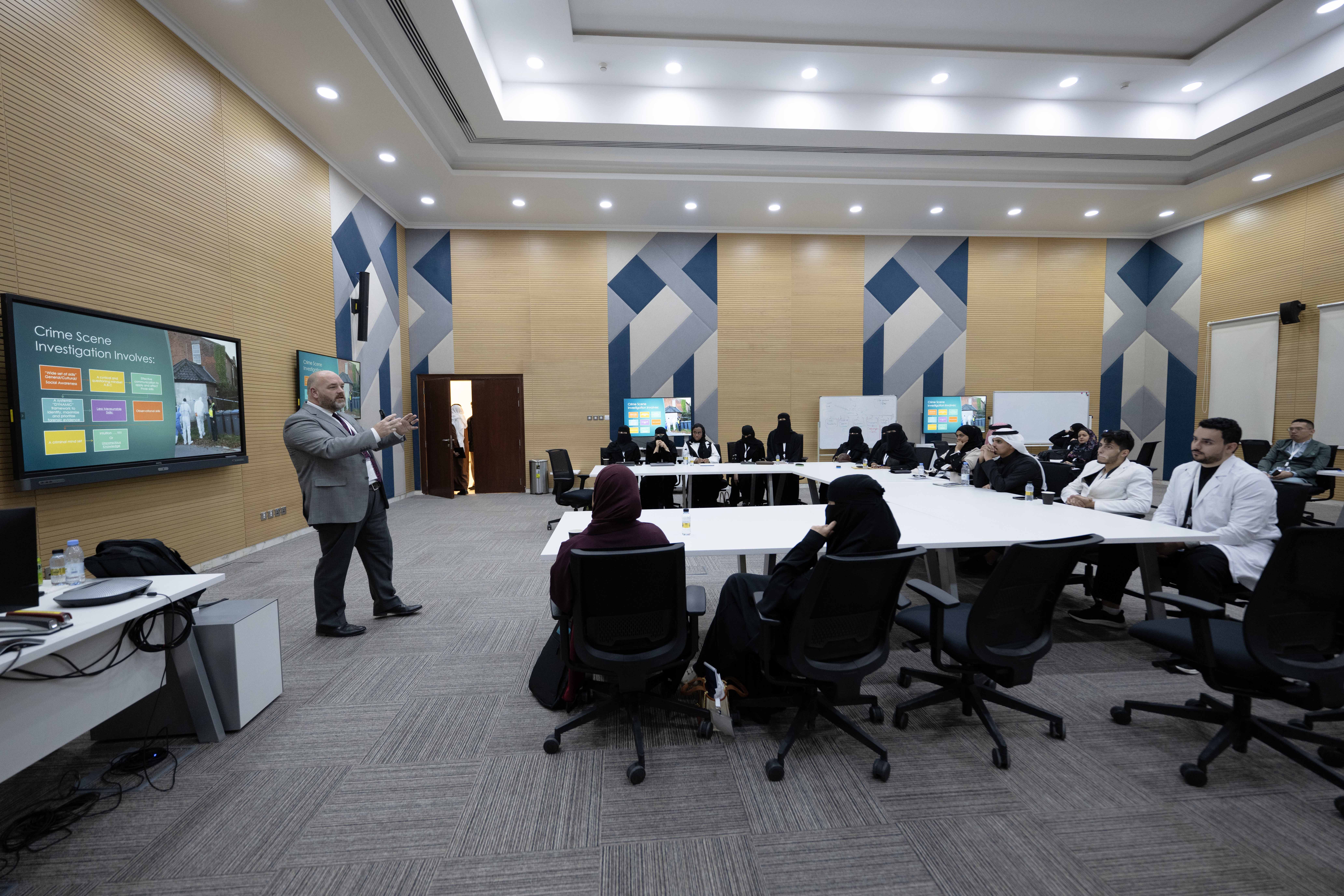

Over the past decade, artificial intelligence (AI) and machine learning (ML) have emerged as transformative forces in law enforcement and forensic science. From automating labor-intensive tasks to uncovering complex patterns in massive datasets, AI-driven approaches are improving the speed, accuracy, and scope of criminal investigations. This track explores how cutting-edge AI and ML methodologies are being integrated into operational workflows—ranging from predictive policing and video analytics to automated evidence interpretation and courtroom testimony. Presenters will showcase innovative research, validated algorithms, and real-world case studies that demonstrate both the promise and the challenges of deploying AI in forensic contexts. Participants will gain a comprehensive understanding of current tools, best practices, and ethical considerations, fostering collaboration between data scientists, forensic practitioners, and legal experts. Submissions may take the form of oral presentations, posters, or hands-on workshops.
Submissions for the AI & ML Track may include, but are not limited to:
Predictive Policing & Crime Forecasting
- Machine learning models for hotspot mapping and resource allocation.
- Case studies on crime prediction accuracy and operational impact.
- Comparative evaluations of statistical vs. AI-driven forecasting methods.
Computer Vision & Video Analytics
- Deep-learning techniques for automated face and license-plate recognition.
- Behavioral analysis in CCTV footage: detecting suspicious or anomalous activity.
- Real-time analytics platforms for crowd monitoring and event safety.
Automated Evidence Processing
- Natural language processing (NLP) for analyzing police reports, witness statements, and digital communications.
- AI-powered voice and speech forensics: speaker identification and deepfake detection.
- Algorithms for image enhancement and pattern matching in latent prints and tool-mark evidence.
Digital Document & Cyber Artifact Analysis
- ML approaches to detect forged documents, manipulated images, and synthetic media.
- AI-driven triage of large-scale data extractions from seized devices.
- Case studies on neural-network classifiers for illicit online marketplaces and communication channels.
Forensic Data Integration & Link Analysis
- Graph-based ML for mapping relationships between persons, locations, and events.
- Hybrid systems combining structured databases with unstructured social media signals.
- Visualization tools for complex network and timeline reconstructions.
Explainable AI & Legal Admissibility
- Strategies for making black-box models transparent and defensible in court.
- Standards and protocols for validating AI tools under Daubert, Frye, or equivalent frameworks.
- Ethical considerations: bias minimization, consent, privacy, and the right to explanation.
Resource-Constrained & Edge Computing Applications
- Deploying lightweight AI models on body-worn cameras, drones, and IoT sensors.
- Real-time anomaly detection in remote or bandwidth-limited environments.
- Energy-efficient architectures for continuous field operation.
Future Directions in AI for Forensics
- Quantum machine learning prospects for pattern discovery and cryptanalysis.
- Integrating human-in-the-loop workflows for adversarial robustness.
- Interdisciplinary collaborations between AI researchers, forensic scientists, and policymakers.